Nathalie LAZARIC, Doctor honoris causa—University of Gothenburg, Sweden
- Award
- Research
Published on October 30, 2026
–
Updated on October 30, 2026
Dates
on the October 26, 2026
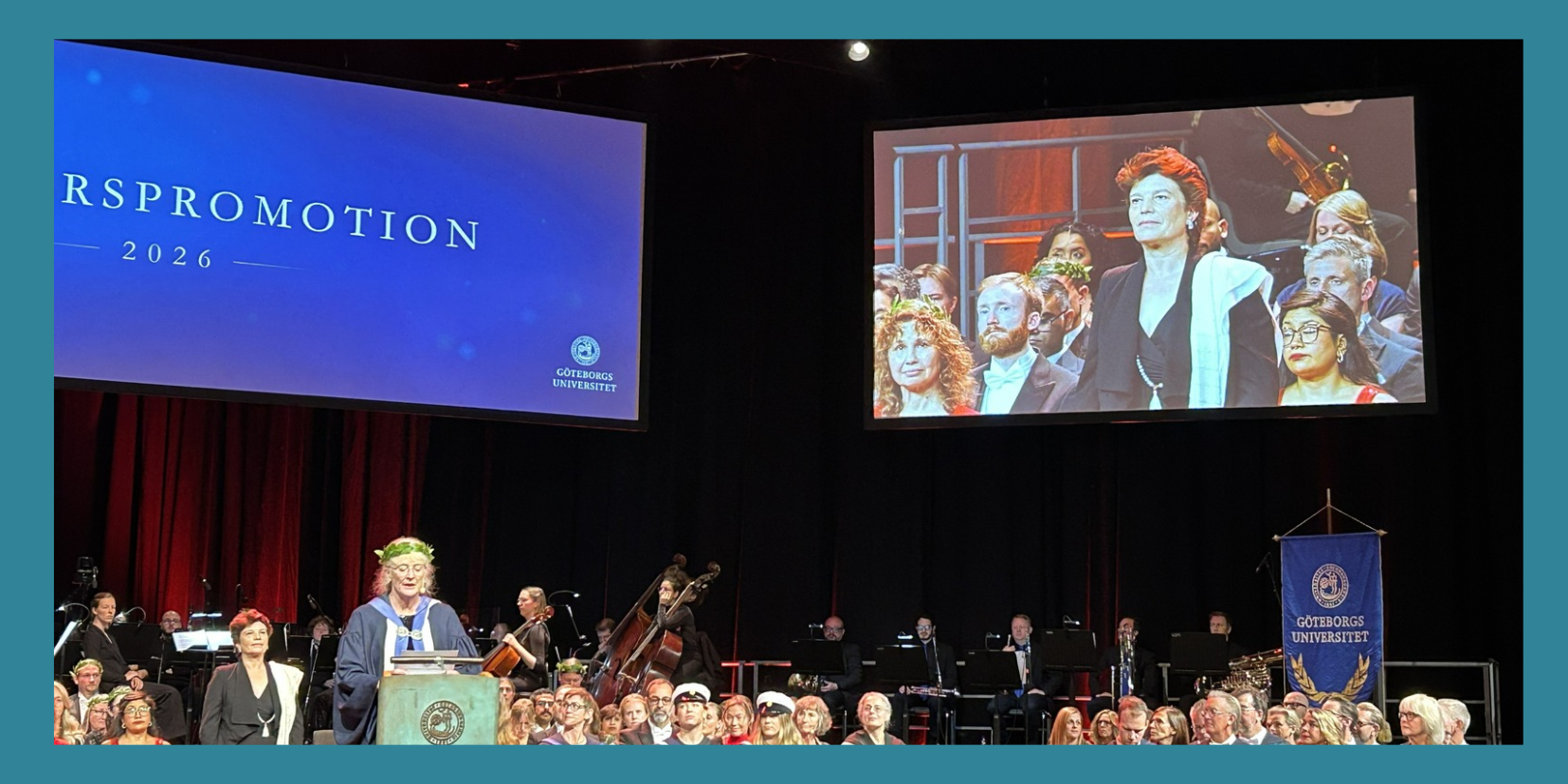
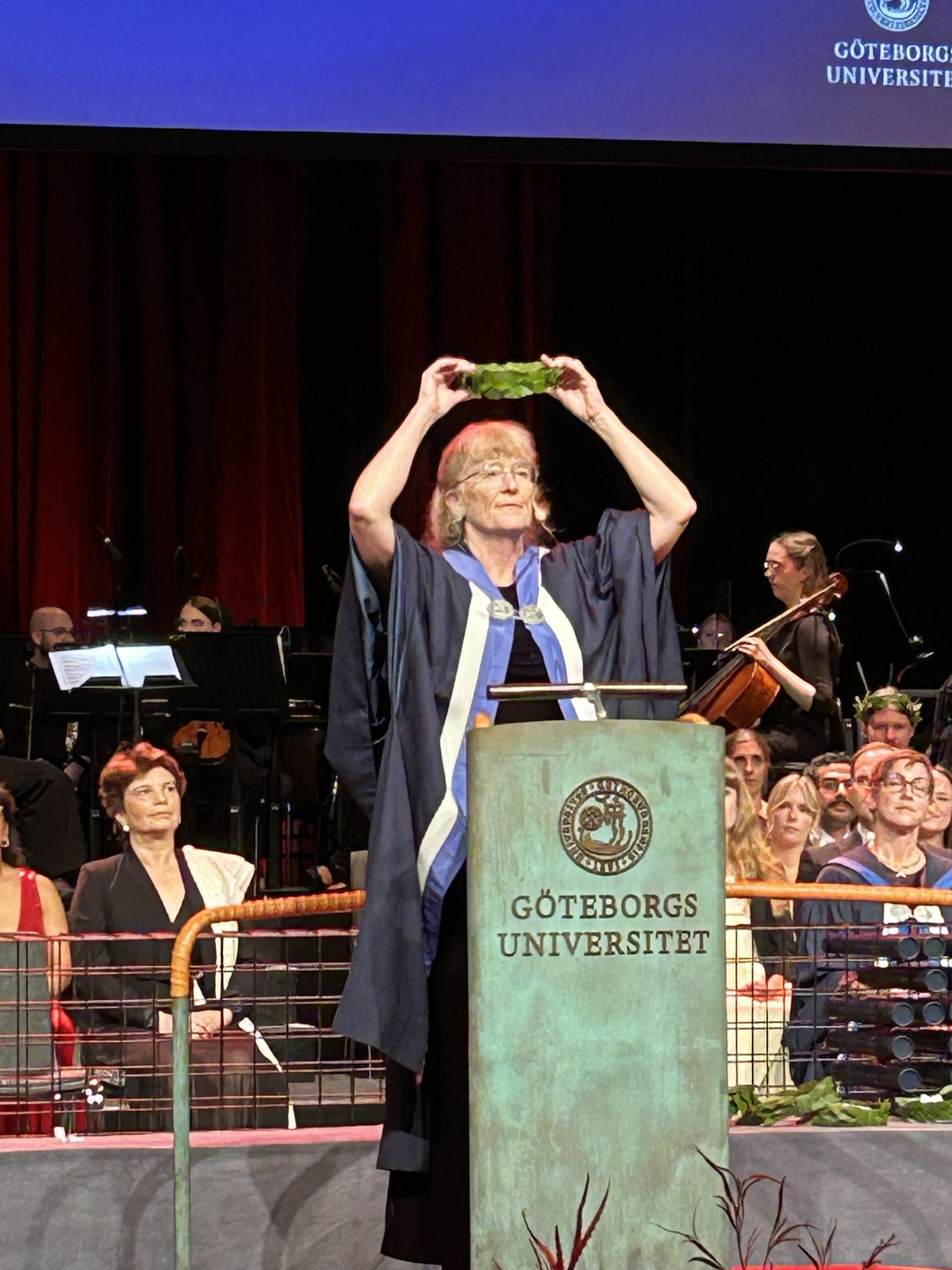
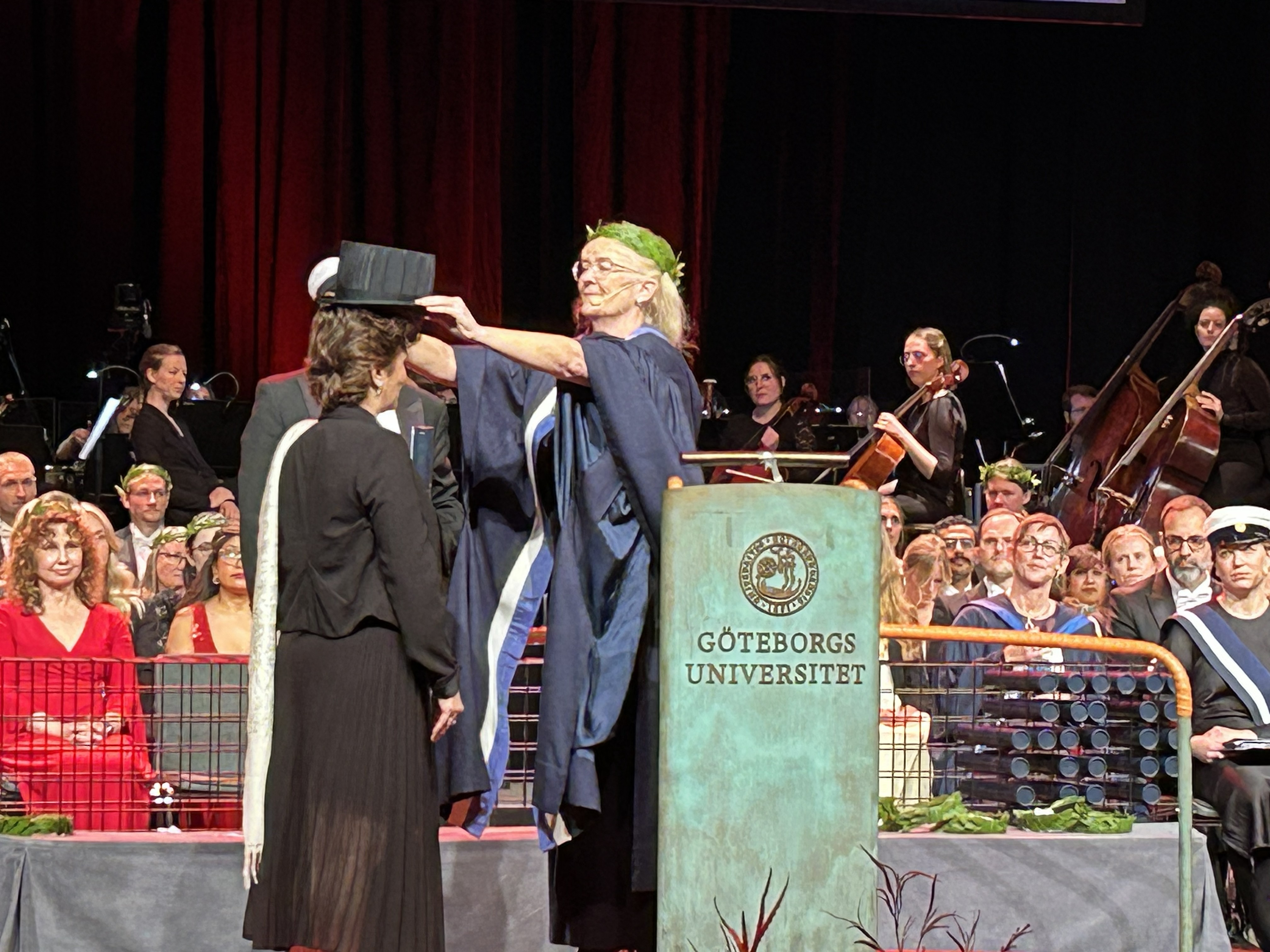
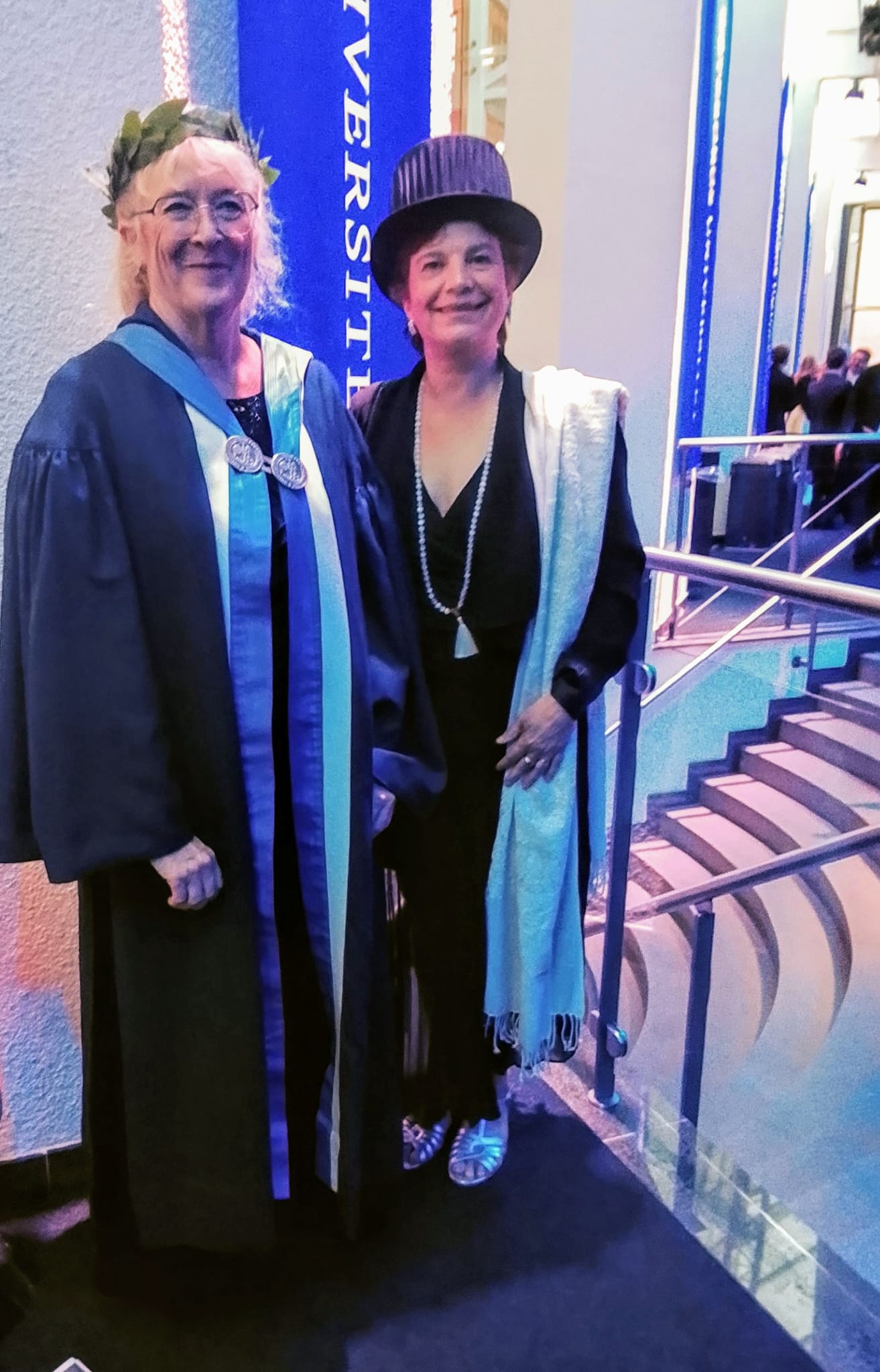
The University of Gothenburg in Sweden has awarded an honorary doctorate from its Faculty of Business, Economics, and Law to Nathalie Lazaric, a CNRS research director at the GREDEG laboratory.
Nathalie Lazaric: From Studying Routines to Transforming Practices
What happens when our everyday habits—often unconscious—clash with the need for change? Nathalie Lazaric, a research director at the CNRS and a member of GREDEG (Université Côte d’Azur), has been studying this question for many years.
Understanding the Power of Habits
A seemingly simple question underpins her research: to what extent do habits and routines—both individual and collective—foster or hinder the emergence of new ideas? She examines their role in innovation, entrepreneurship, and the ecological transition.
Routines provide reassurance, organize work, and enable structures to function. They can also trap people in ways of doing things that resist change. Grasping this dual nature is essential to understanding why some innovative projects and environmental initiatives succeed, while others do not. Among the keywords that summarize her work are “organizational barriers” and “individual habits.”
Routines provide reassurance, organize work, and enable structures to function. They can also trap people in ways of doing things that resist change. Grasping this dual nature is essential to understanding why some innovative projects and environmental initiatives succeed, while others do not. Among the keywords that summarize her work are “organizational barriers” and “individual habits.”
Breaking New Ground
Her second area of research focuses on change itself: how do individuals, teams, or institutions manage to challenge deeply ingrained patterns of thought and action? By studying these mechanisms, the economist sheds light on the conditions that enable stakeholders to adapt and meet current challenges.
Her areas of application are varied: the ecological transition, waste recycling, energy consumption, new plastics, and agricultural transition. She participates in several national and European projects focusing on energy consumption, behavioral change, and recycling.
Her areas of application are varied: the ecological transition, waste recycling, energy consumption, new plastics, and agricultural transition. She participates in several national and European projects focusing on energy consumption, behavioral change, and recycling.
A Journey Between Nice and Gothenburg
At the GREDEG laboratory (CNRS – Université Côte d’Azur), Nathalie Lazaric co-leads the “Ecological Transition and Organizational Resilience” (TERO) team with Evelyne Rouby . She also leads the CNRS thematic network “Waste, Values, and Societies ,” which brings together researchers in the humanities and social sciences and collaborates with disciplines as diverse as geography, management, law, chemistry, marine biology, and agronomy.
Her connection to Gothenburg goes back many years. She is a visiting professor there and has worked with the team of Maureen McKelvey , a renowned specialist in the economics of innovation and entrepreneurship.
Her connection to Gothenburg goes back many years. She is a visiting professor there and has worked with the team of Maureen McKelvey , a renowned specialist in the economics of innovation and entrepreneurship.
She is also ranked among the top 4% of female economists worldwide according to RePEc.
International Recognition
With this honorary doctorate, the University of Gothenburg recognizes the importance and scope of a research program conducted at the intersection of economics, management, and environmental issues.
The doctoral degree conferral ceremony was held on Friday, October 23, 2026, at the University of Gothenburg in Sweden.
We congratulate our colleague on this prestigious honor from the Swedish institution, which reflects well on the entire laboratory and attests to the rigor and impact of his research.