
on the October 14, 2026
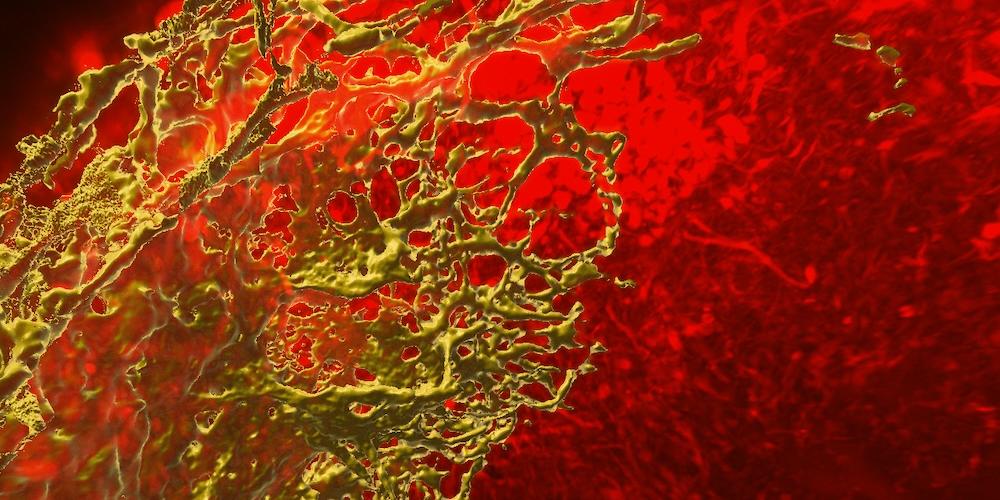
An innovative laboratory model of the human brain has been developed to better understand glioblastoma invasion. Published in the journal *Cell Death & Disease* in August 2026, this research—led by Michele Bertacchi’s team at the Valrose Biology Institute—reveals the key role of certain proteins in guiding tumor cells within the brain.
Glioblastoma is one of the most aggressive brain tumors, largely because of its ability to adapt to its environment. To better understand its invasion mechanisms, researchers have developed a new experimental model based on human organoids. This system combines brain and vascular tissues to replicate the interface between neurons and blood vessels, as well as certain properties of the blood-brain barrier.
Using this model, the team demonstrates that tumor stem cells exhibit specific tropism depending on their molecular profile. The CELF2 protein directs cells toward neural regions, where they disrupt neurons and vascular architecture. Conversely, its absence promotes mesenchymal behavior and migration toward blood vessels, involving the AHNAK protein in particular.
These results, confirmed in patient samples, highlight the plasticity of tumor cells and their ability to adapt their trajectory within the brain. Beyond these advances, this model represents a promising tool for exploring new therapeutic strategies targeting the interactions between tumors, neurons, and the vascular system.
Contact: Michele Bertacchi