
Cancer cells change their state to resist treatment—how can we exploit their hidden weakness?
- Research
on the December 12, 2025
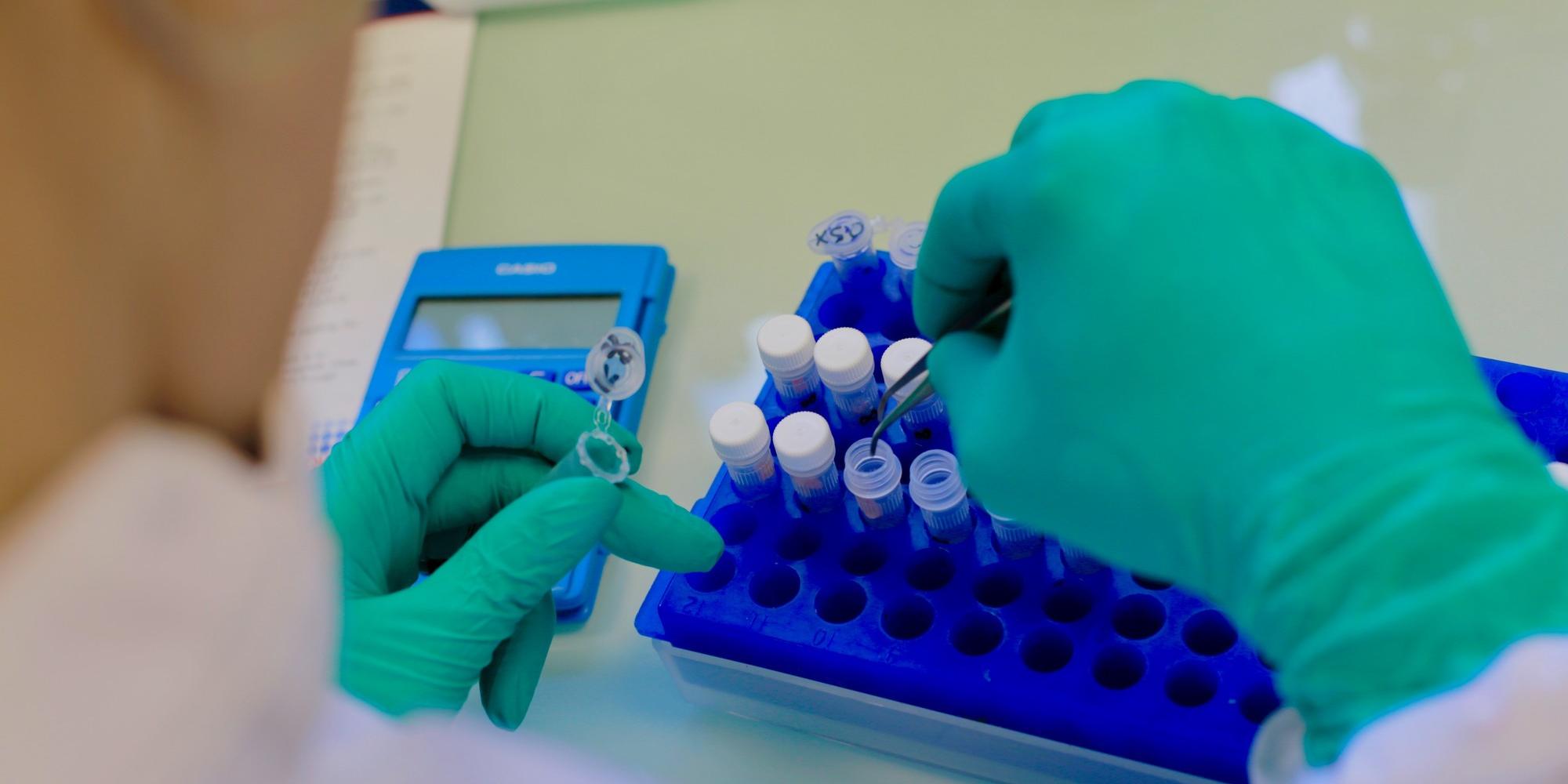
A team from the Institute of Molecular and Cellular Pharmacology led by Jérémie Roux has published a major breakthrough in Molecular Systems Biology on cancer cell resistance to treatment. The researchers show that tumor cells constantly navigate a continuum of sensitivity states and reveal a temporary vulnerability that can be exploited through alternating therapeutic sequences.
The team led by Jérémie Roux, a CNRS researcher at IPMC (Université Côte d’Azur/CNRS), reveals in Molecular Systems Biology a key mechanism underlying cancer cell resistance to treatment. Contrary to the idea of fixed "sensitive" or "resistant" states, the researchers show that tumor cells continuously evolve between different levels of sensitivity, regardless of their division.
This dynamic reveals that after certain treatments, cells that are temporarily tolerant become briefly vulnerable to another form of cell death. A window of fragility that simple therapeutic breaks are not enough to exploit: the study shows that a planned alternation of treatments makes it possible to better target these cells and prevent the development of lasting resistance.
These results pave the way for the identification of optimal therapeutic sequences that are better suited to the dynamic reality of cellular states and potentially more effective against tumor resistance.
Learn more