Not too much, not too little: the delicate mechanisms that shape the embryo
- Research
Published on October 13, 2026
–
Updated on October 14, 2026
Dates
on the October 14, 2026
How does an embryo develop properly? A study reveals that its development depends on a subtle balance of mechanical forces. This research, published by Matteo Rauzi’s team at the Valrose Institute of Biology (Université Côte d’Azur, CNRS, Inserm), in collaboration with the Interdisciplinary Physics Laboratory (Université Grenoble Alpes, CNRS), highlights the key role of tensions within embryonic tissues.
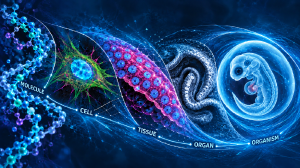
During the early stages of development, the embryo undergoes major changes in shape, particularly during gastrulation, a phase in which cells migrate and organize themselves to form future tissues and organs.
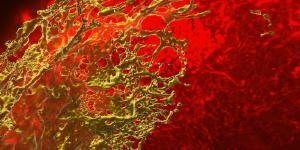
Researchers have shown that these changes depend on a precise balance of mechanical forces: tensions within the tissues control the folding and internalization of certain cells, processes that are essential for the embryo’s structural development.
These findings shed new light on the physical mechanisms at work in biological development.
Read the full article on the CNRS Biology
website
Researchers have shown that these changes depend on a precise balance of mechanical forces: tensions within the tissues control the folding and internalization of certain cells, processes that are essential for the embryo’s structural development.
These findings shed new light on the physical mechanisms at work in biological development.
Contact: Matteo Rauzi
Read the full article on the CNRS Biology
website