COP30 in Belém: Université Côte d'Azur helps raise the profile of science and higher education on the international stage
- IDEX
- International
- Sustainable Development
on the November 25, 2025
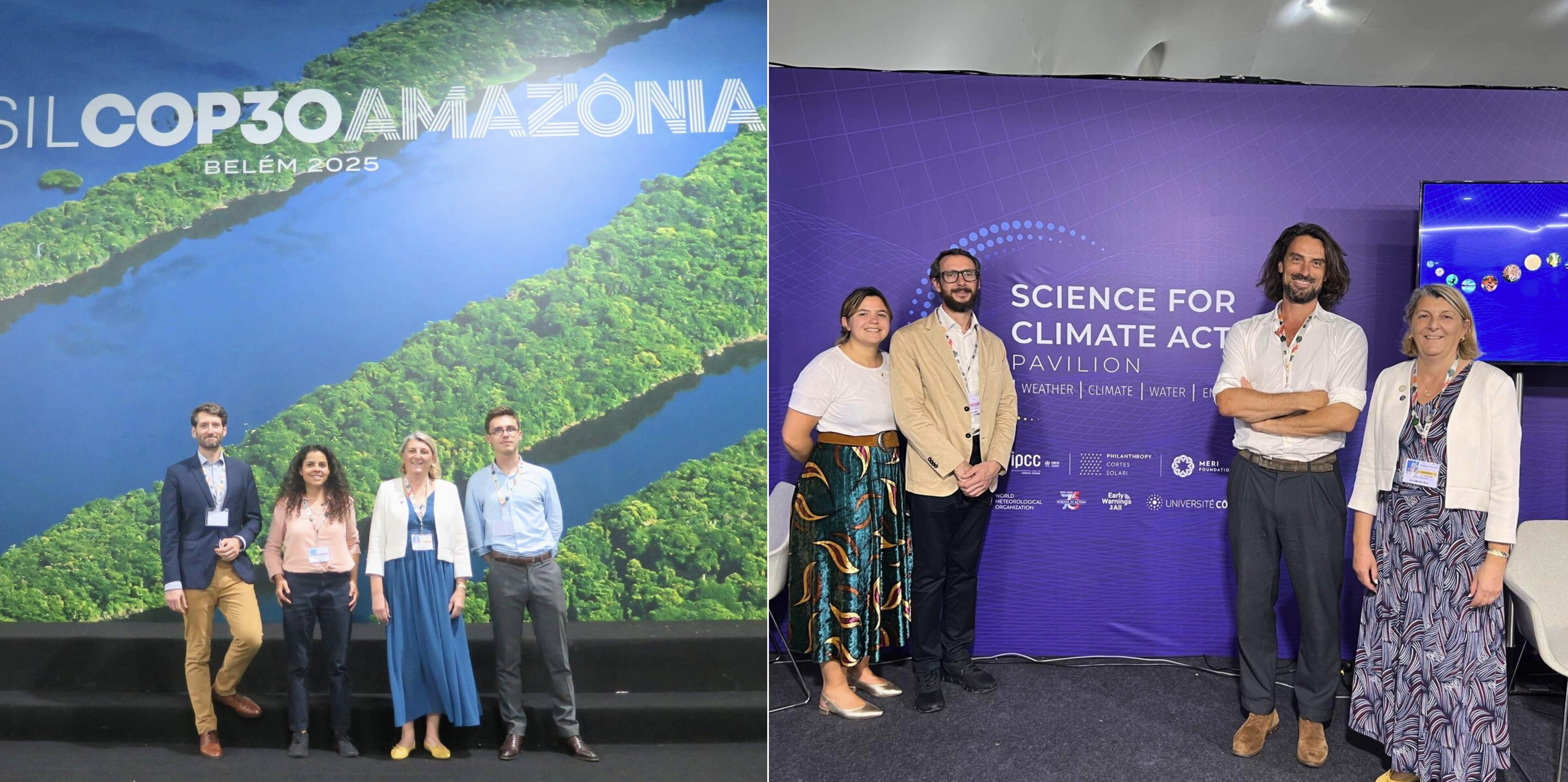
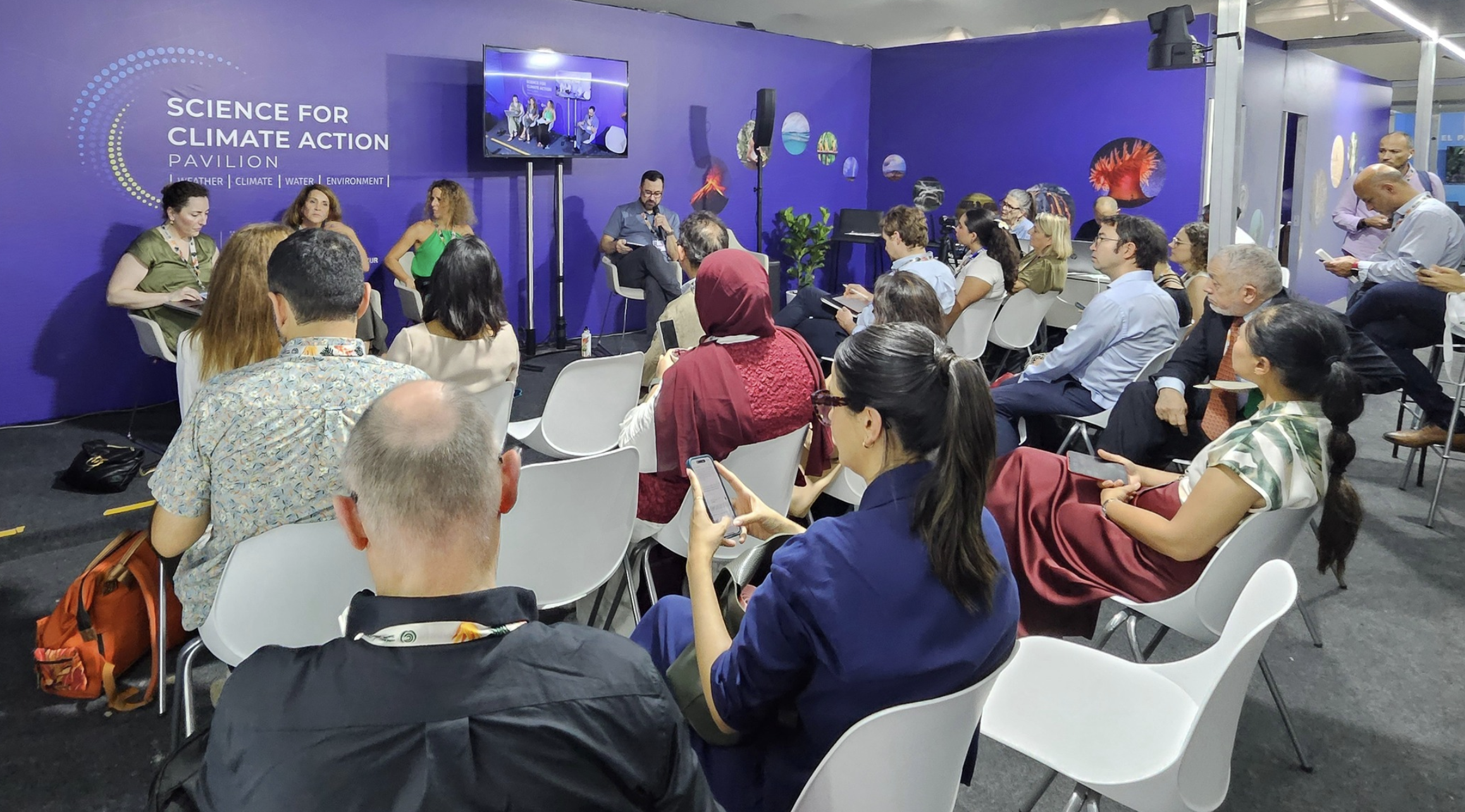
Throughout these two weeks, the "Science For Climate Action" Pavilion in Belém was a unique space for sharing and disseminating knowledge, bringing together scientists, journalists, philanthropists, decision-makers and members of civil society.
An exceptional conference on trust in science
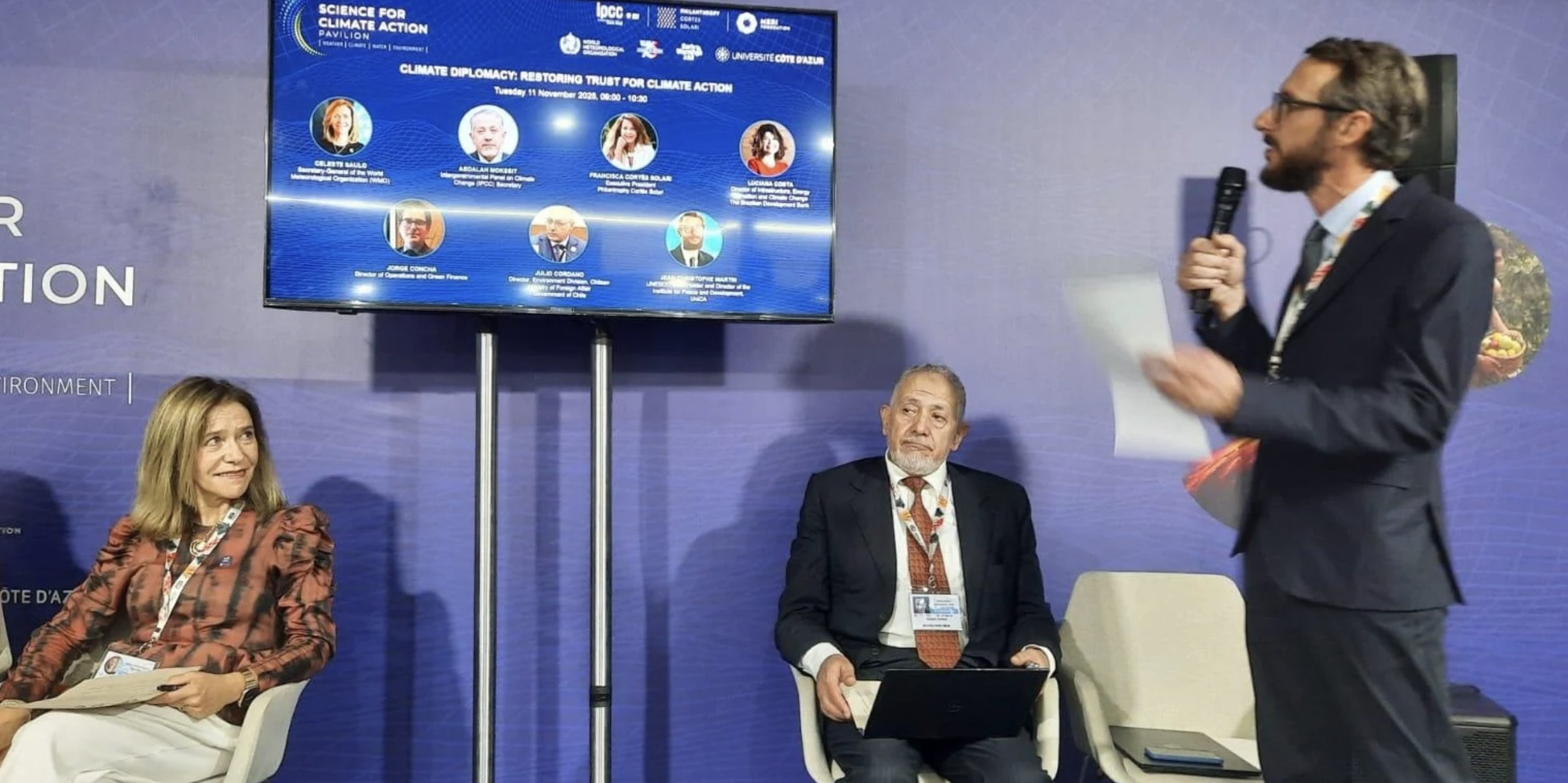
Over 45 panels to strengthen the links between scientific knowledge and political decisions
Over 45 panels followed in ten days, bringing together more than 200 experts on topics as varied as :- Journalism, science and the climate emergency : a space for dialogue bringing together journalists from CNN, The EcoExploratorio, NBC, etc. to identify their needs and reflect on concrete ways to support them in understanding and using complex scientific data and facts.
- Science diplomacy : The strategic role of universities and philanthropy in the face of the climate crisis was highlighted by the presence of the head of Norway's scientific committee, who is also President of Science Europe.also President of Science Europe, His Excellency the Ambassador of the United States and the Executive Director, Policy and Partnerships, Canadian Government Meteorological Service.
- Science and policy : the Chilean experience of scientific dialogues for climate action organized by the Scientific Advisory Committee on Climate Change, Ministry of Science, Technology, Knowledge and Innovation of Chile.
- From ratification to implementation : the future of the BBNJ Agreement, including the Undersecretary for the Environment at Chile's Ministry of the Environment, leader in the ratification of the BBNJ and candidate to host the BBNJ headquarters.
- Creating synergies between higher education and global climate governance, a panel of students, faculty and university governanceThe panel discussed the role of higher education and young people in climate action, both within universities and at the heart of the COP itself.
- "From voluntary action to legal obligation: science-based corporate climate responsibility" examined the transition from voluntary climate commitments to regulatory obligations for companies, highlighting the scientific, legal and normative drivers of this sometimes difficult-to-enforce change. Speakers also highlighted the contribution of academia in supporting science-based frameworks for action and encouraging a systemic transformation of the global economy.
Beyond the event itself, these discussions confirmed the key role of the Science For Climate Action platform, which promotes year-round interaction between science and political decision-making.
Université Côte d'Azur represents the U7+ Alliance in the international NoN network
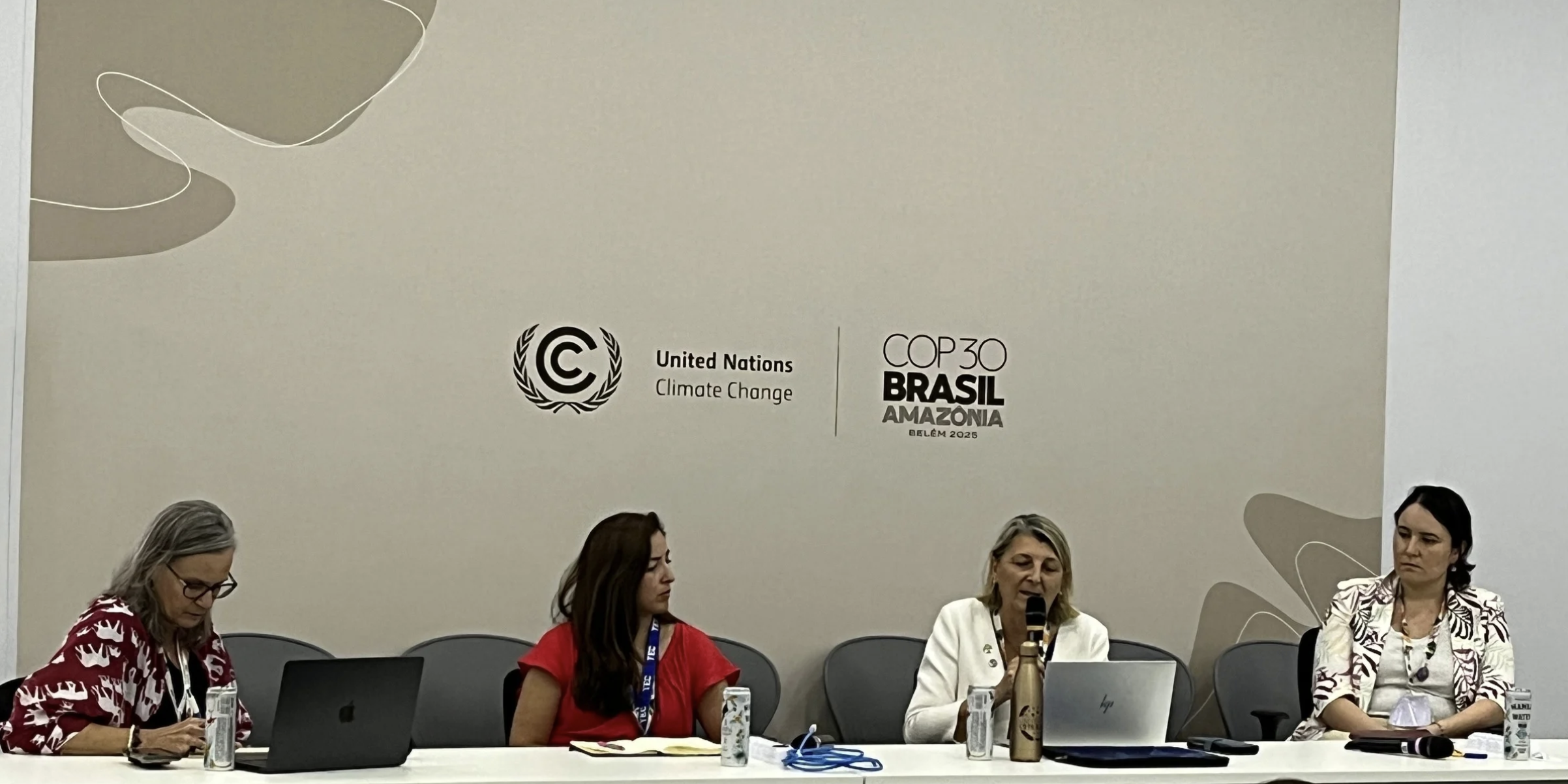
In addition to the Science for Climate Action Pavilion, Université Côte d'Azur represented the U7+ Alliance at the annual meeting of the Higher Education Climate Network of Networks (NoN)an international network launched by the University of Toronto and the University of Cambridge, bringing together more than 25 university networks. Active at major international meetings and involved in United Nations climate consultations, the NoN contributes to structuring a global, coordinated and more effective response to climate challenges. As part of the COP30 Action Agenda aimed at a "decade of implementation", NoN was involved in Axis 5 "Fostering Human and Social Development" as an officially recognized initiative.
Represented by Université Côte d'Azur, NoN officially handed over a letter to the COP30 presidency, calling on COP30 decision-makers to give central priority to the sub-national climate agenda. sub-national climate agenda, particularly in urban areas, and to recognize the essential role of universities in accelerating climate action.
Also in connection with its commitment to U7+, Université Côte d'Azur represented the Alliance at an official UNFCCC side event entitled "Higher Education as a Critical Global Partner for Enabling and Accelerating Climate Action", organized with a dozen international partners (Tecnológico de Monterrey, Australian National University, École Polytechnique, Northwestern University, University of Edinburgh, University of Mannheim, Cambridge University University of Cambridge, University of Toronto, Colorado State University, National Institute of Advanced Studies (NIAS), Second Nature, Université Laval, Yale University and Washington University). A first panel highlighted the commitment of the younger generation, while a second panel, made up of university managers, presented the actions taken and the growing impact of higher education establishments, and identified the main avenues for progress.
Informing and mobilizing the Côte d'Azur community
As part of the "En route pour la COP Climat" initiative, Université Côte d'Azur is committed to reporting on the negotiations and its actions at the COP:- Videos are regularly posted on the University's Youtube channel.
- All the panels were broadcast live and can be reviewed at any time on the Science for Climate Action platform.
- A decoding event will bring together the delegation on December 10 to mark the close of the COP.
- Joint work is underway to report on the negotiations on the Brazilian Presidency's priority segment on forests and indigenous peoples.
- Composition of the delegation
-
- Cécile Sabourault, Vice-President, International Affairs,
- Saranne Comel, Operational Director of the IdEx International and Europe Program,
- Jean-Christophe Martin, Professor of International Law, Director of IdPD,
- Julien Dellaux, Professor of International Law,
- Aïda Ramirez-Romero, Post-doctoral fellow in sociology,
- Grégoire Leray, Professor of private environmental law,
- Augustin Huot de Saint-Albin, Science diplomacy project manager.