Op-Ed. Thierry Passeron: “Skin Diseases: A Revolution in the Making!”
- Science and society
- Research
on the July 6, 2026
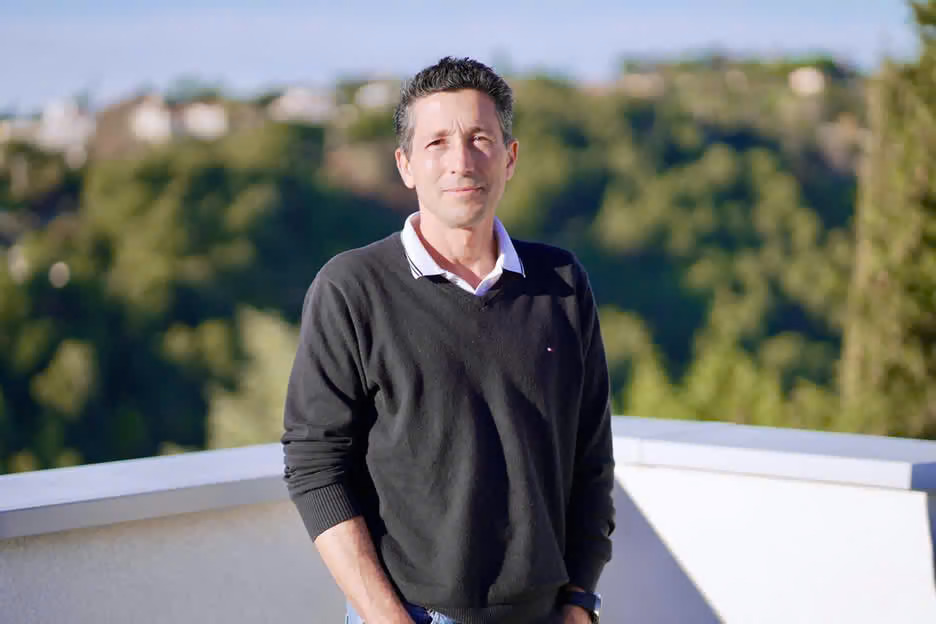
In an op-ed published as part of the Science Azur project, Thierry Passeron, a faculty member and researcher at the Mediterranean Center for Molecular Medicine (Université Côte d’Azur, Inserm), highlights the profound changes currently taking place in dermatology. Through a scientific and clinical overview, he emphasizes the scope of recent advances and their direct implications for patients.
Skin diseases affect more than 16 million people in France and are still too often underestimated, despite their significant impact on quality of life. According to Thierry Passeron, dermatology is currently undergoing “one of the most rapid revolutions in all of medicine,” driven by a better understanding of immunological, inflammatory, and genetic mechanisms.
More Targeted and Better-Tolerated Treatments
According to the op-ed, scientific advances over the past decade have profoundly changed patient care. Whereas treatments were once nonspecific (corticosteroids, immunosuppressants), the trend is now toward targeted therapies and immunotherapy, which act directly on the biological pathways involved in these diseases.
This shift is particularly striking in dermatological oncology, where conventional chemotherapies are gradually being replaced by more precise and better-tolerated approaches.
The Challenge of Access to Care
Beyond scientific advances, the op-ed emphasizes a central point: access to care. Nearly one in two French people suffering from skin conditions reportedly choose not to see a dermatologist. For Thierry Passeron, the challenge now is to ensure that innovations quickly benefit patients through improved identification of cases, enhanced training for healthcare professionals, and more efficient organization of care.
Read the Opinion Piece
This opinion piece was produced as part of the SCIENCE AZUR project, which has been awarded the “Science With and For Society” (SAPS) label by the Ministry of Higher Education, Research, and Space. This project is jointly led by Université Côte d’Azur, the Observatoire de la Côte d’Azur, the CNRS, INRAE, Inria, Inserm, IRD, Mines Paris PSL, and IMEV.